
Astonyshine house
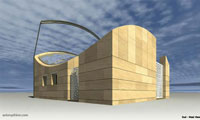
Astonyshine aims at the integration of new energetically efficient technologies in the architectureof solar powered houses and at the definition of new concepts in architectural design based on these technologies.
with the ultimate goal of proposing innovative solutions and increasing the performance of more traditional ones.
Five key issues delineate astonyshine’s strategy:
- The use of freestone in building, which, thanks to advanced technologies and new design methods, shows promise of sustainability and energetic efficiency, together with great aesthetic appearance—both classical and new, low-tech definition, and hygro-thermal advantages.
- The call upon concentrated solar power systems, combining photovoltaics and thermal, to answer to the house’s energetic needs with higher efficiency and lower prices than standard photovoltaic flat panels, by proposing new ideas for their morphologic and technologic integration in architecture and testing recently appeared technologies.
- The research of new design, materials, and technologies, for the interface between the solar module and the building structure, including temperature control, ventilation, and caulk issues, pre-fabrication problems and production costs reduction for a significative commercial impact.
- The integration of architectural and structural design with project logistics, intended to reduce the overall cost of the product and increasing its quality and sustainability.
These matters will be treated jointly as they contribute to the main search for the building integration of the solar modules, increasing their applicability, extending the photovoltaic compatible areas, and rendering acceptable their installation for their visual impact on the urban and rural landscapes.


De interés
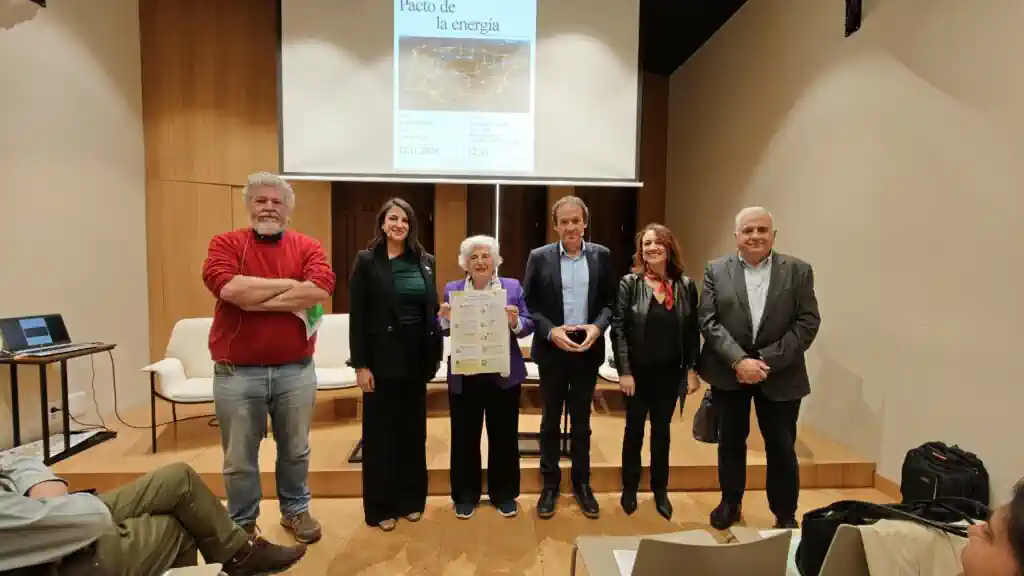
El PSOE, Frente Amplio, Podemos y otras ocho formaciones políticas firman un pacto por la energía de cara al 29-N
Impulsado por la Fundación Renovables de cara a las elecciones generales del 29-N, las formaciones se comprometen así con una serie de principios para orientar la política energética de la próxima legislatura y situarla como una cuestión de Estado.
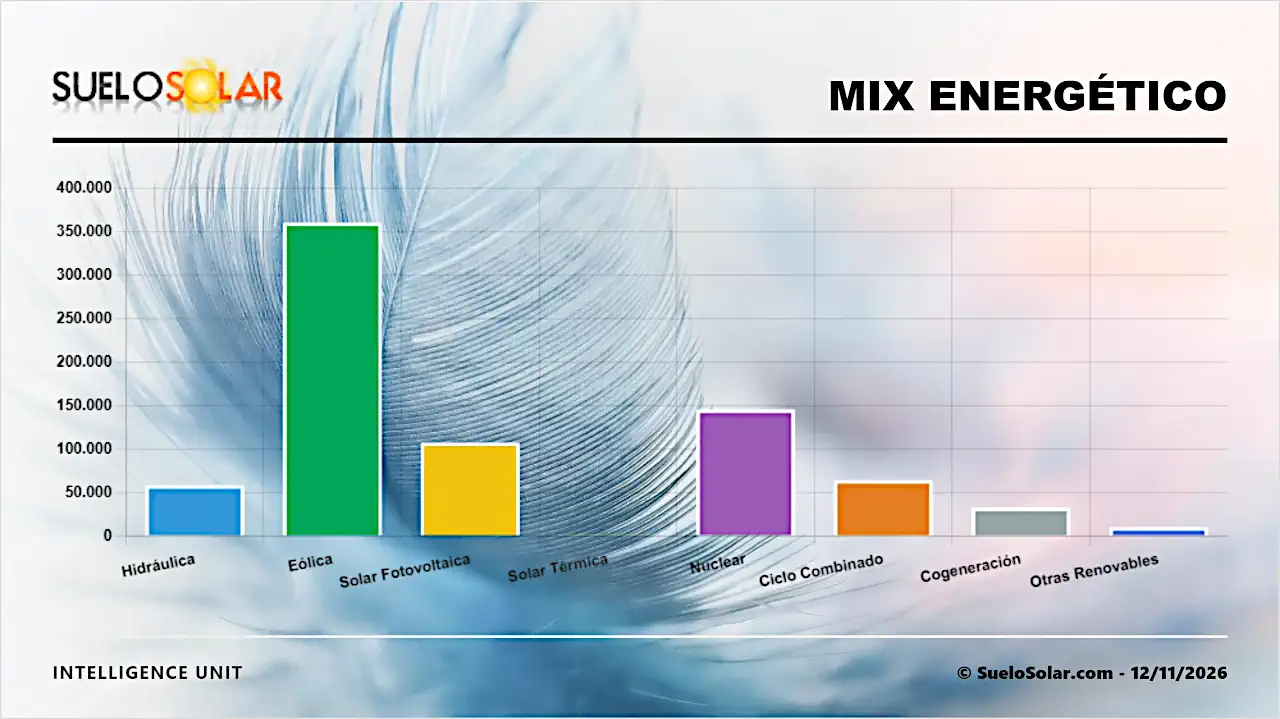
El pool eléctrico nacional registra hoy 116.16 €/MWh. mientras la cuota solar alcanza el 14% del mix
Con una aportación renovable que roza el 60% del total peninsular, el sistema ha operado con un perfil de emisiones muy reducido, desplazando de forma significativa a los ciclos combinados y a otras fósiles en las franjas de mayor producción verde.

Agenda
Semana Internacional de la Electrificación y la Descarbonización
- noviembre
- 24-26
09:00 / 20:00 horas